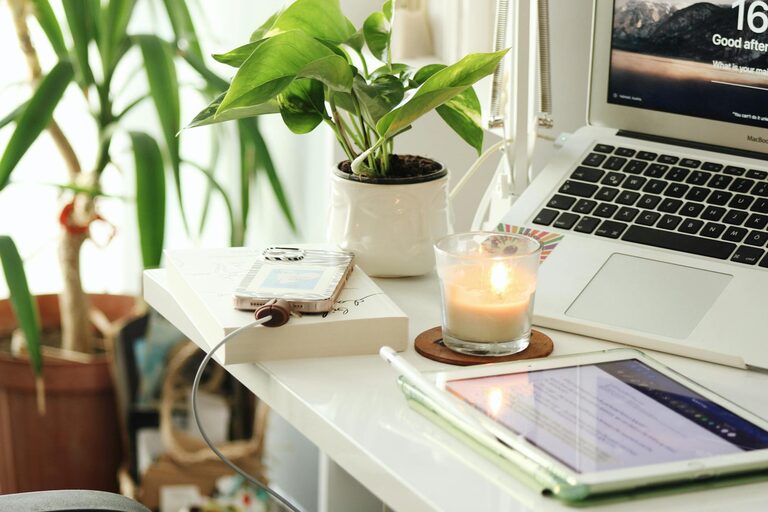
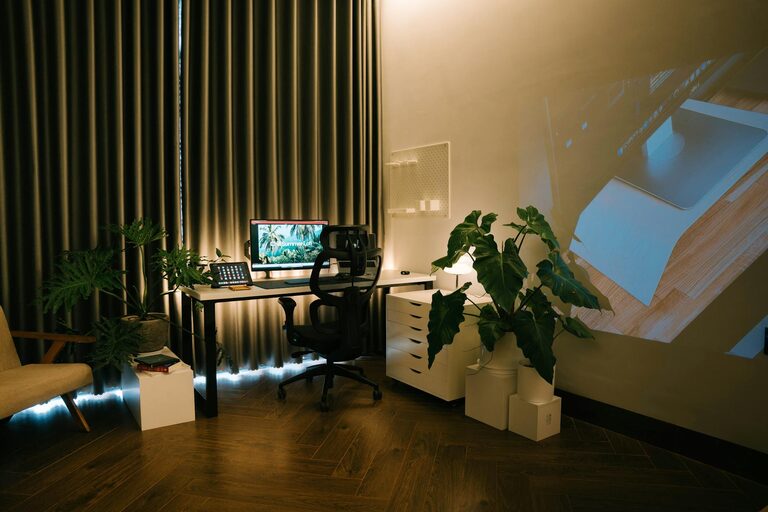
Creating a cozy and productive home office space is essential for anyone working from home or managing tasks remotely. A well-designed workspace can improve focus, reduce stress, and inspire creativity. This article offers helpful tips to transform any room or corner into an inviting, efficient home office.
Choose the Right Location
The first step in creating a home office is selecting the right spot. Consider these factors:
– Natural Light: Position your desk near a window if possible. Natural light enhances mood and energy levels.
– Quietness: Find a space away from noise and distractions.
– Space: Ensure there’s enough room for your desk, chair, and any equipment you need without feeling cramped.
If space is limited, even a small nook can be effective with thoughtful arrangement.
Invest in Comfortable Furniture
Comfort should be a priority to maintain productivity throughout long working hours.
– Ergonomic Chair: Choose a chair that supports good posture with adjustable height and backrest.
– Desk: Pick a desk with enough surface area for your computer, papers, and other essentials.
– Adjustable Options: Consider a sit-stand desk if possible for flexibility and health benefits.
Adding cushions or footrests can enhance comfort further.
Organize and Declutter
A tidy workspace helps keep your mind clear and focused.
– Storage Solutions: Use shelves, drawers, or filing cabinets to keep supplies organized.
– Cable Management: Employ clips or sleeves to manage cords, preventing tangles and clutter.
– Daily Cleanup: Spend a few minutes at the end of each day putting things away.
Minimal clutter creates a calm environment conducive to concentration.
Personalize Your Space
Adding personal touches makes your office inviting and motivates you.
– Decor: Incorporate artwork, plants, or inspirational quotes.
– Colors: Use calming or energizing colors based on your preferences—soft blues or greens can be relaxing, while yellows or oranges may boost creativity.
– Lighting: Supplement natural light with warm, adjustable lighting like desk lamps.
Personalization helps you feel connected and comfortable in your workspace.
Optimize Technology and Tools
A functional office relies on the right equipment to work efficiently.
– Reliable Internet: Ensure a strong Wi-Fi connection.
– Essential Devices: Invest in a quality monitor, keyboard, and mouse.
– Software: Use productivity apps and tools that suit your workflow.
Keep cables, chargers, and devices readily accessible but organized.
Create Boundaries and Routine
Setting clear boundaries between work and personal life supports productivity.
– Defined Workspace: Reserve your home office exclusively for work when possible.
– Set Hours: Maintain regular working hours to stay on schedule.
– Breaks: Take short, frequent breaks to rest your eyes and stretch.
A structured routine signals your brain to focus during work time and relax afterwards.
Consider Acoustics and Comfort
Sound and temperature can impact your work performance.
– Noise Control: Use rugs, curtains, or noise-canceling headphones to reduce distractions.
– Temperature: Keep the space well-ventilated and at a comfortable temperature.
– Air Quality: Incorporate plants or air purifiers to enhance air freshness.
A comfortable sensory environment encourages longer, more productive sessions.
Final Thoughts
Designing a cozy and productive home office doesn’t require major renovations. Thoughtful choices in location, furniture, organization, and personalization can create a space that inspires and supports your work. Remember, your home office should adapt to your needs and evolve with you, making it a welcoming area where you can focus and thrive.
By investing time and care into your workspace, you’re setting yourself up for success in your daily tasks and projects. Happy decorating!
About the Author