Creating a home office that is both cozy and productive is essential in today’s world, where many people work remotely or spend a significant amount of time at home. A well-designed workspace can improve focus, motivation, and overall job satisfaction. Here are some useful tips to help you set up a home office that feels inviting and helps you get work done efficiently.
Choose the Right Location
The first step in creating your ideal home office is selecting the right spot. Consider these aspects:
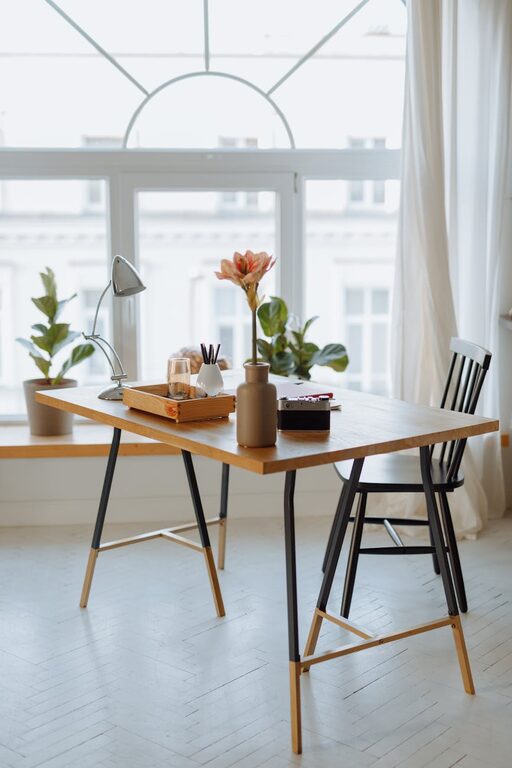
– Natural Light: A space near a window that lets in plenty of natural light can enhance mood and reduce eye strain.
– Privacy: Pick a quiet area away from household noise and distractions to maintain concentration.
– Space: Ensure there is enough room for your desk, chair, and any other equipment or storage you may need.
If space is limited, look for a corner in your living room or bedroom that can be dedicated to work.
Select Comfortable and Ergonomic Furniture
Investing in good furniture supports your health and comfort:
– Desk: Choose a desk with enough surface area for your computer, supplies, and an area to write or spread out documents.
– Chair: An ergonomic chair that provides lumbar support is crucial. It helps prevent back pain and promotes better posture.
– Adjustable Elements: Consider height-adjustable desks or chairs to customize your workspace to your body’s needs.
Comfort encourages longer, more focused work sessions without physical strain.
Pay Attention to Lighting
Proper lighting plays a significant role in reducing fatigue:
– Layered Lighting: Combine natural light with ambient lighting and task lighting. A desk lamp with adjustable brightness is helpful for focused tasks.
– Avoid Glare: Position screens and lights to avoid glare, which can cause eye discomfort.
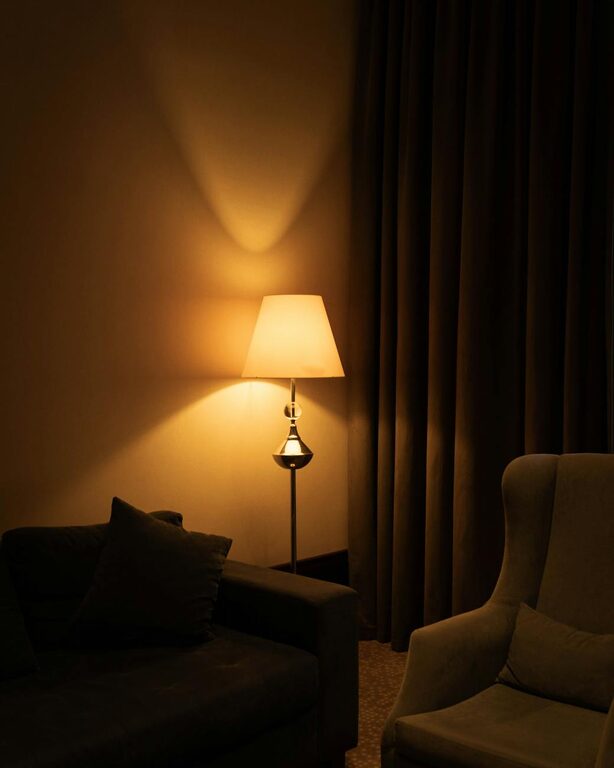
– Warm Light: Use bulbs with warm light tones to create a cozy atmosphere, especially for evening work.
Organize for Efficiency
A tidy workspace promotes productivity:
– Declutter: Keep only essential items on your desk. Remove unnecessary clutter regularly.
– Storage Solutions: Use shelves, drawers, and organizers to keep documents and supplies within reach but out of sight.
– Cable Management: Use clips or trays to organize cables, keeping the area neat and preventing tangles.
Incorporate Personal Touches
Making your office feel personal can make the space more enjoyable:
– Decor: Add artwork, photos, or inspirational quotes that motivate you.
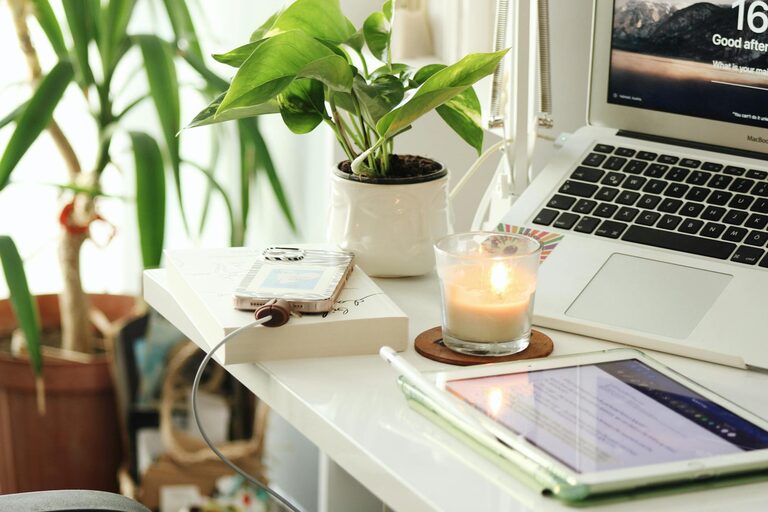
– Plants: Small indoor plants improve air quality and add a soothing green touch.
– Color: Use colors that make you feel relaxed yet alert; soft blues or greens are popular choices.
Minimize Distractions
Creating boundaries can help maintain focus:
– Dedicated Work Hours: Establish set times when you work and when you don’t.
– Noise Control: Use noise-cancelling headphones or play ambient background music if it helps you concentrate.
– Clear Signals: If others share your home, communicate your work schedule clearly to reduce interruptions.
Use Technology Wisely
Make sure your tech supports your workflow:
– Reliable Internet: A strong internet connection is key for virtual meetings and online research.
– Equipment: Use a good quality monitor and keyboard for comfort and efficiency.
– Apps and Tools: Utilize productivity apps and software that help manage tasks and time.
Maintain Your Workspace
Regular maintenance keeps your office inviting:
– Daily Cleanup: Spend a few minutes at the end of each day tidying your desk.
– Deep Cleaning: Periodically dust surfaces, vacuum, and wipe down equipment.
– Reassess Layout: Adjust your office setup if you notice any discomfort or inefficiency.
—
Creating a cozy and productive home office is about balancing comfort with functionality. By paying attention to location, furniture, lighting, organization, personal touches, and minimizing distractions, you can build a space that helps you thrive professionally and feel at ease while working from home.
About the Author