Creating a cozy and functional home workspace is essential for staying productive and motivated, especially as more people work from home. A well-designed workspace can make a significant difference in your focus, comfort, and overall work satisfaction. This guide offers practical tips to help you craft a home office that feels inviting and supports your daily tasks.
Why a Cozy and Functional Workspace Matters
Your workspace is where you spend a large part of your day, so having an environment that combines comfort with practicality can reduce stress and improve efficiency. When your workspace is well organized and tailored to your needs, distractions fade away, and you can concentrate better.
Choosing the Right Location
Find a Quiet Spot
Select an area in your home that gets minimal foot traffic and noise. This could be a spare room, a nook in the living room, or even a corner in your bedroom.
Consider Natural Light
Position your desk near a window if possible. Natural light boosts mood and energy levels, making your workday more pleasant. Avoid glare on your computer screen by adjusting curtains or blinds.
Invest in Comfortable Furniture
Ergonomic Chair
Comfortable seating supports good posture and reduces physical strain. An ergonomic chair with adjustable height and lumbar support is ideal.
Functional Desk
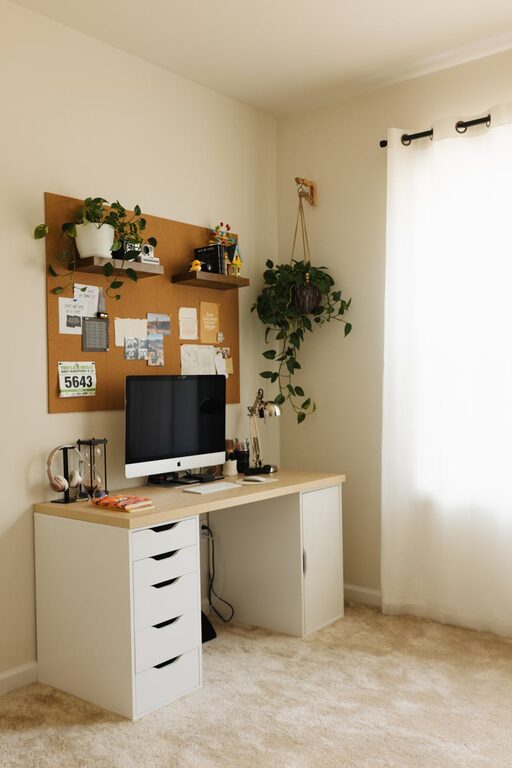
Choose a desk that fits your space and workflow. It should have enough surface area for your computer, paperwork, and other tools without feeling cluttered.
Organize Your Workspace
Declutter Regularly
Keep only what you need close at hand. A clutter-free desk reduces distractions and helps keep your mind clear.
Use Storage Solutions
Shelves, drawers, and organizers can keep documents and supplies neatly stored when not in use. Labeling containers also helps you find items quickly.
Add Personal Touches
Decorate Thoughtfully
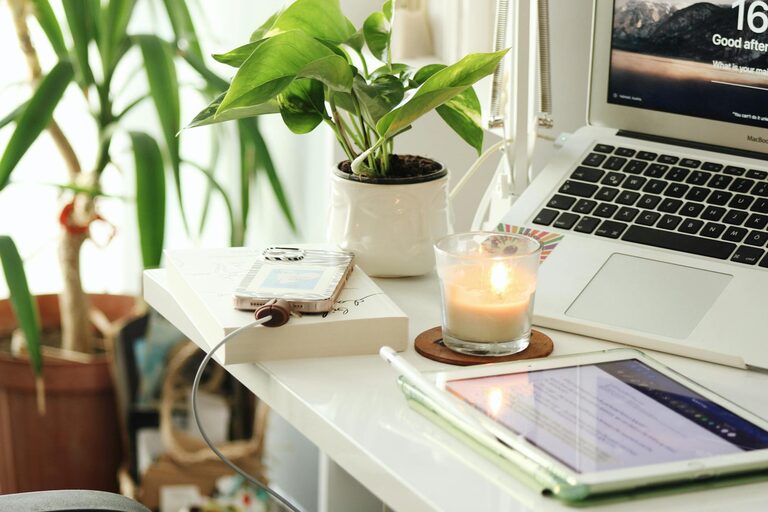
Include elements that inspire you, such as artwork, plants, or photos. These personal touches can make your workspace more inviting.
Use Soothing Colors
Choose colors that promote calm and concentration. Soft blues, greens, and neutrals are popular choices for workspaces.
Optimize Lighting
Combine Different Light Sources
A mix of natural, overhead, and task lighting helps reduce eye strain. A desk lamp with adjustable brightness is useful for focused work.
Avoid Harsh Lighting
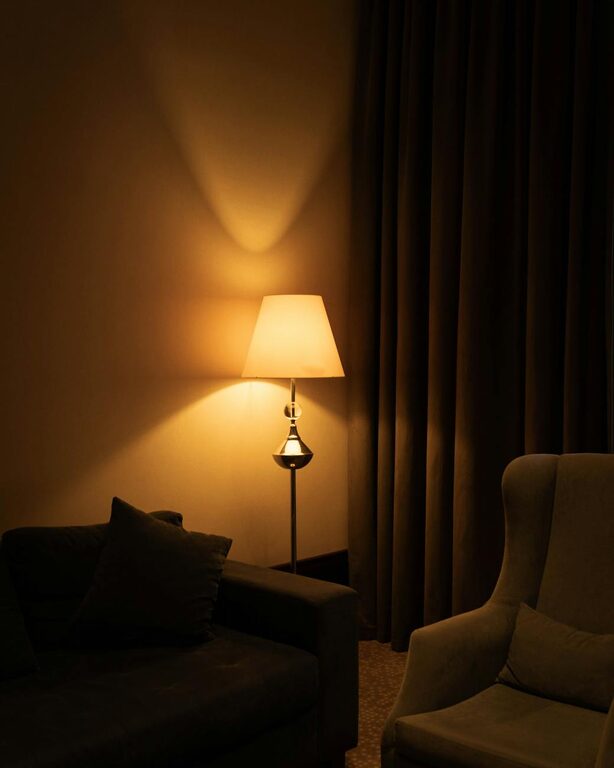
Use warm or neutral white bulbs and avoid overly bright or flickering lights.
Manage Technology Efficiently
Cable Management
Use clips, ties, or cable boxes to keep cords tidy and prevent tangles.
Reliable Equipment
Invest in quality devices like monitors, keyboards, and headphones to enhance comfort and productivity.
Incorporate Break-Friendly Elements
Comfortable Seating
If space allows, a small area with a comfortable chair or cushion can provide a spot for brief breaks or brainstorming sessions.
Hydration Station
Keep a water bottle or a small coffee maker nearby to stay refreshed without disrupting your workflow.
Maintain Work-Life Balance
Define Workspace Boundaries
Keep your workspace dedicated to work to help mentally separate professional time from relaxation.
End-of-Day Routine
At the end of each workday, tidy your space to reset for the following day. This simple habit can help signal the end of work hours.
Final Thoughts
Creating a home workspace that is both cozy and functional doesn’t require a large budget or complex design skills. Focus on comfort, good organization, and personal touches that motivate you. With these tips, you can build a workspace that supports your best work while making you feel at home.
About the Author