Creating a cozy and productive home office space is essential for anyone working from home. The right environment can improve focus, reduce stress, and increase efficiency. Whether you have a dedicated room or a small corner, setting up a space that feels comfortable and supports your workflow makes a big difference. Here are some practical tips to help you design your ideal home office.
Choose the Right Location
Prioritize Natural Light
Select a spot in your home with plenty of natural light. Natural daylight helps regulate your body clock and boosts mood, making it easier to stay alert and motivated. If a sunny window isn’t available, consider full-spectrum light bulbs to mimic natural light.
Minimize Distractions
Pick a quiet area away from high-traffic zones like the kitchen or living room. Using a door to separate your office from the rest of the house can create a psychological boundary between work and home life.
Invest in Comfortable Furniture
Ergonomic Desk and Chair
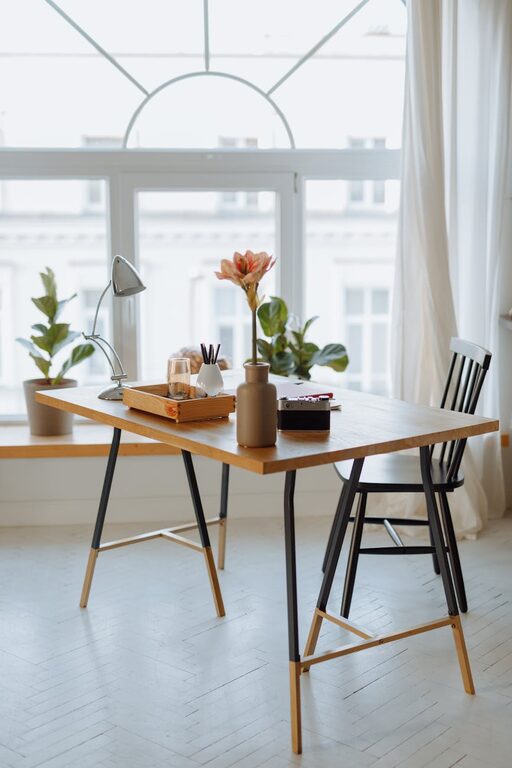
Invest in a sturdy desk at the right height, with enough surface area for your computer and other supplies. Pair it with an ergonomic chair that provides good lumbar support to prevent back pain from long hours of sitting.
Personalize with Cozy Touches
Add cushions, a soft throw blanket, or a footrest to keep yourself comfortable during work sessions. These small items can make your office feel inviting and help you settle in more easily.
Organize for Efficiency
Declutter Your Workspace
Keep only essential items on your desk to maintain a clean surface and reduce distractions. Use trays, pen holders, and drawer organizers to keep supplies neatly arranged.
Use Shelving and Storage
Add shelves or cabinets nearby to store documents, books, and equipment. Label containers to quickly find what you need without interrupting your workflow.
Create an Inviting Atmosphere
Choose Relaxing Colors
Pick colors that promote focus and calmness like soft blues, greens, or neutral tones. Avoid overly bright or harsh colors that can cause eye strain or anxiety.
Incorporate Plants
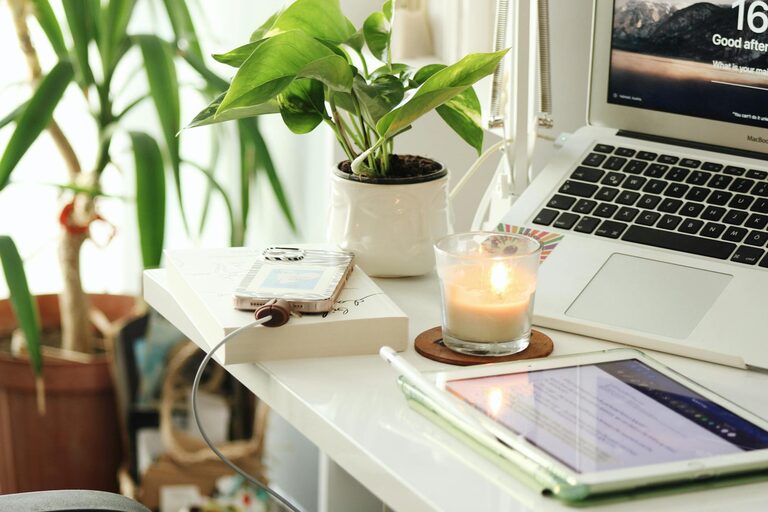
Indoor plants improve air quality and bring a touch of nature indoors. Plants like succulents, snake plants, or pothos are low-maintenance options that add greenery to your space.
Add Personal Artwork or Photos
Display inspiring artwork or family photos to make your office feel uniquely yours. This personal touch can boost your mood and motivation.
Optimize Lighting
Use Layered Lighting
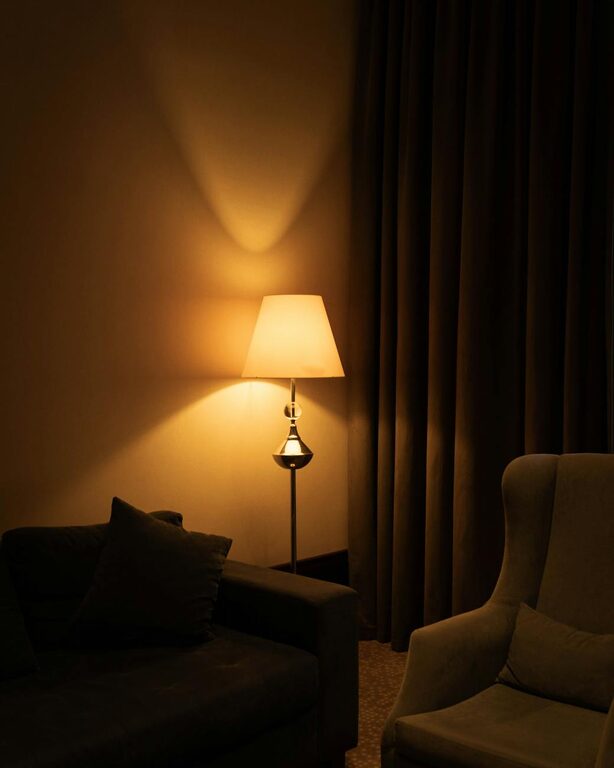
Combine ambient (general) light with task lighting to reduce eye strain. Desk lamps with adjustable arms allow you to focus light exactly where it’s needed.
Avoid Screen Glare
Place your computer perpendicular to windows to prevent glare on your screen. If glare persists, use curtains or blinds to control sunlight levels.
Manage Noise Levels
Use Noise-Cancelling Headphones
If you can’t avoid noise, noise-cancelling headphones can help you stay focused by blocking out distractions.
Try White Noise Machines
Alternatively, white noise machines or apps can mask background sounds and create a peaceful environment.
Maintain Good Air Quality and Temperature
Keep Your Space Ventilated
Open windows when possible to bring fresh air in. A well-ventilated room helps you feel refreshed and alert.
Control Temperature
A comfortable temperature—generally between 68°F and 72°F (20-22°C)—supports concentration. Use fans or heaters if needed to adjust to your preference.
Establish a Daily Routine
Set Defined Work Hours
Having clear start and end times helps you maintain balance and avoid burnout.
Take Regular Breaks
Incorporate short breaks to stretch, move around, or practice mindfulness. This can prevent fatigue and maintain productivity throughout the day.
Use Technology Wisely
Organize Digital Files
Keep your computer desktop and files organized for easier access and less stress.
Set Up Reliable Equipment
Use a good quality internet connection, monitor, and peripherals to avoid technical frustration.
—
Creating a cozy and productive home office space doesn’t require a big budget or extensive renovations. With thoughtful choices in location, furniture, organization, and atmosphere, you can craft a workspace that supports your work habits and well-being. Start with these tips and adjust your environment as you discover what best helps you focus and feel comfortable each day.
About the Author